
Waiting for seeds to germinate can be one of the most frustrating parts of gardening.
You plant them carefully, water the soil, and then… nothing. Days go by. You start wondering if the seeds were old, if you planted them too deep, or if they’re ever going to come up at all.
This site contains affiliate links. If you make a purchase using one of these links, I may earn a commission. Please see my disclosure page for more information about cookies collected and our privacy policy.
That waiting period can make even experienced gardeners second-guess themselves. It’s easy to assume something went wrong when the soil stays quiet.
And then one day, you notice a tiny green sprout pushing through the surface—and suddenly the worry fades.
Faster, more reliable germination helps you reach that moment sooner, saving time, saving seeds, and building confidence early in the season.
Here 7 tips for faster seed germination that can help you get your seeds sprouting more quickly!
Start with the right conditions
Before focusing on ways to speed things up, it’s important to get the basics right. Seeds don’t germinate simply because they’re planted. They respond to their environment.
Moisture, warmth, oxygen, and proper planting depth all work together to trigger germination. When one of those elements is missing or inconsistent, seeds can take much longer to sprout—or fail entirely.
Many germination issues aren’t caused by bad seeds, but by conditions that aren’t quite right yet. Making small adjustments to the growing environment often improves results without needing to replant.

This means that you need to know what your specific seeds need. For example, lettuce seeds need light to germinate. If you bury them under the soil, they won’t have access to the light they need to sprout. It’s important to know HOW to plant your seeds before starting.
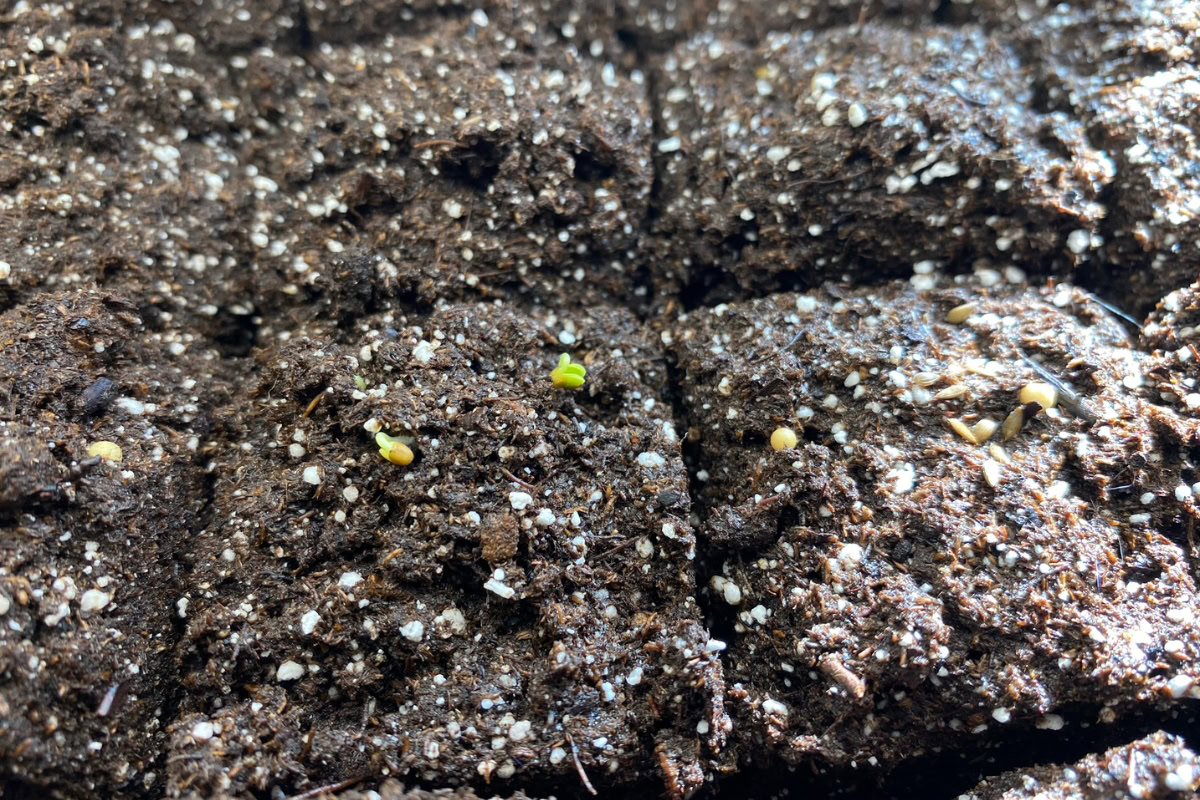
Use warmth to encourage faster sprouting
Temperature plays a major role in how quickly seeds germinate.
Most common garden seeds prefer warm soil, and cooler temperatures can slow down the entire process. Even if seeds eventually sprout, inconsistent or low temperatures can stretch germination out over many extra days.
Keeping seed trays or containers in a warm, stable location helps seeds wake up faster and germinate more evenly. Consistent warmth reduces delays and helps avoid the uneven sprouting that often leads gardeners to think something went wrong.
Providing warmth doesn’t mean overheating seeds—it simply means avoiding cold drafts or fluctuating temperatures that slow progress.
Pre-soak seeds that benefit from it
Some seeds naturally take longer to germinate because they have thicker outer seed coats. These coats protect the seed, but they also slow down how quickly water can penetrate.
Pre-soaking helps soften that outer layer so moisture can reach the seed faster. This jumpstarts the germination process and often leads to quicker, more uniform sprouting.
Soaking is especially helpful for larger seeds or those known to be slower germinators. When used appropriately, it can reduce waiting time and lower the chance of replanting seeds that were simply taking their time.
This is a simple step that can make a noticeable difference without adding complexity.
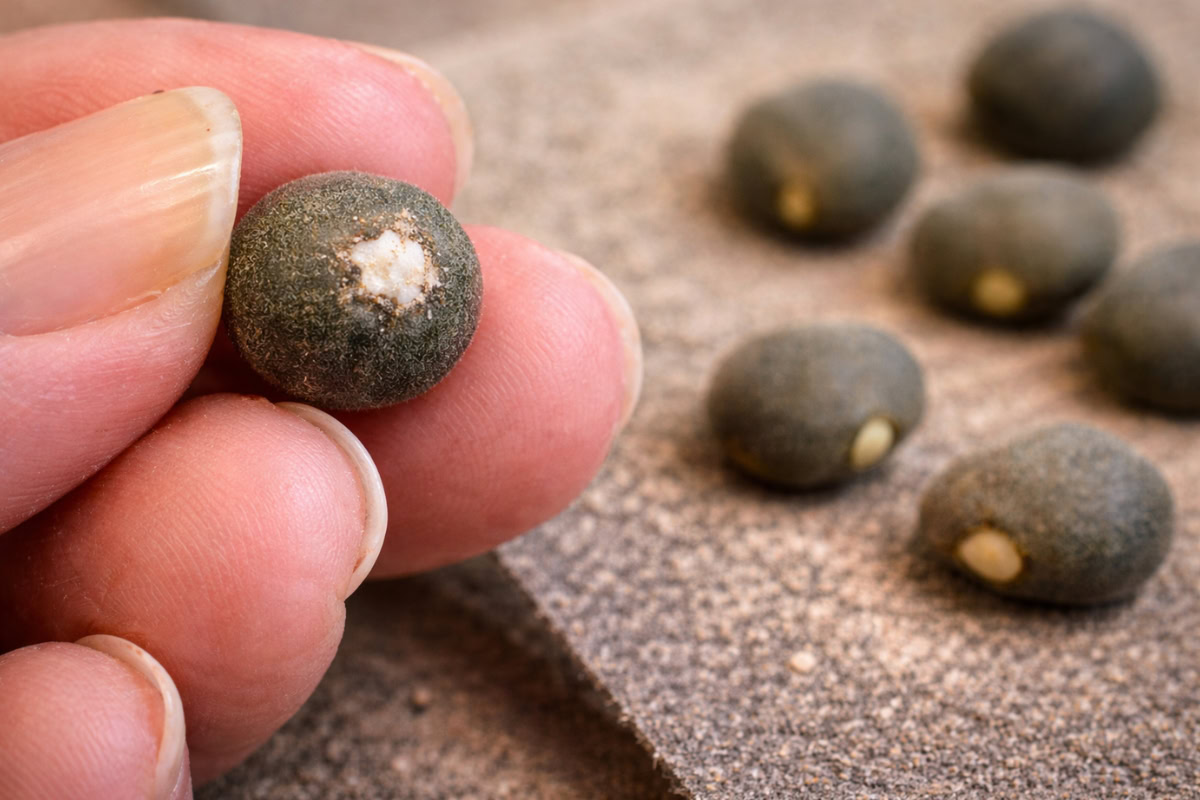
Scarify very hard seeds when needed
Some seeds are especially tough and resistant to absorbing water. In these cases, soaking alone may not be enough.
Scarification lightly damages the outer seed coat, allowing water to penetrate more easily. This mimics natural processes like weathering or abrasion that would normally occur over time.
Scarifying seeds doesn’t need to be complicated. It simply involves lightly nicking, sanding, or scratching the outer seed coat so water can reach the inside more easily. This can be done by gently rubbing the seed with sandpaper, using a nail file, or carefully nicking the surface with a blade. The goal is not to damage the seed itself, but just to weaken the outer coating enough to help
Scarification isn’t necessary for most seeds and should only be used for seeds known to be stubborn germinators. When used correctly, it can significantly improve germination speed and success.
This method works best when applied selectively rather than as a blanket approach for all seeds.
Keep soil moist, not soaked
Water is essential for germination, but too much water can cause just as many problems as too little.
Overly wet soil can limit oxygen, cause seeds to rot, or create conditions that encourage mold. On the other hand, soil that dries out too much can interrupt germination altogether.
The goal is steady, even moisture. Soil should feel damp, not dripping wet. Consistent moisture allows seeds to absorb water at the right pace and supports faster, healthier germination.
Maintaining balanced moisture helps prevent delays and reduces the need to replant.
Read: How to Water Correctly
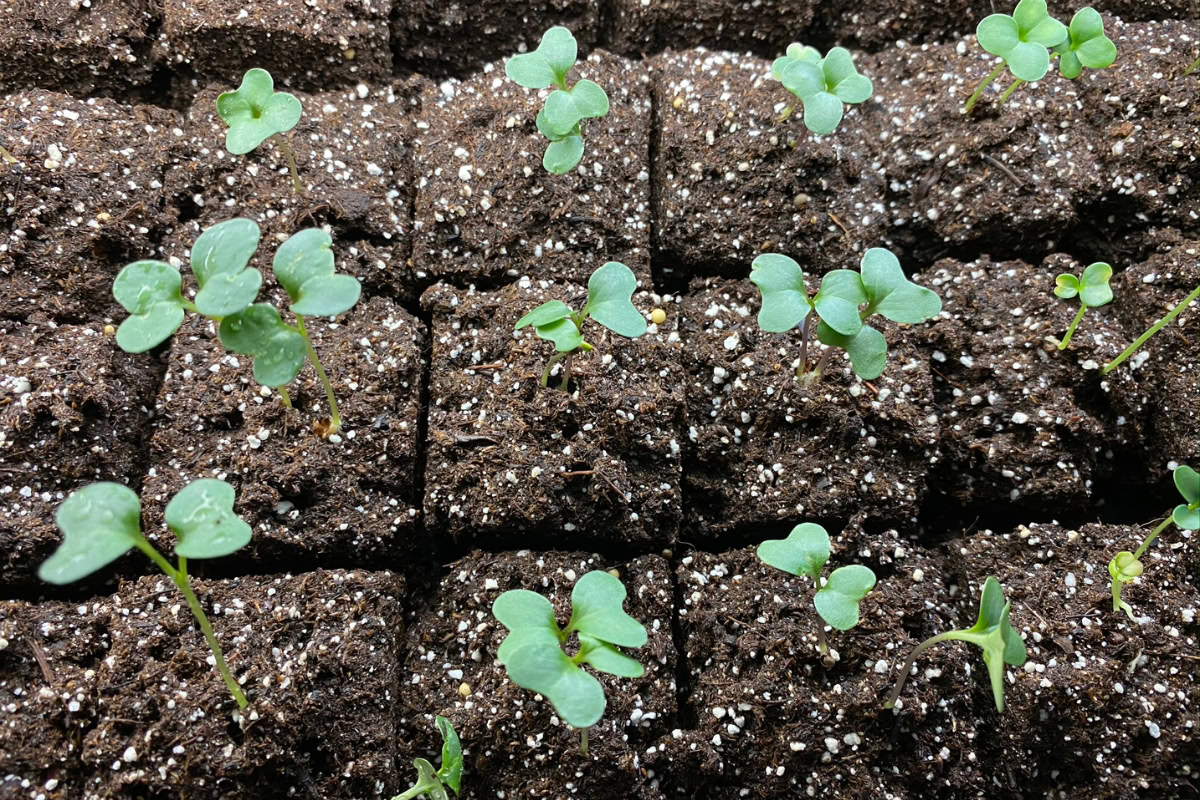
Plant seeds at the correct depth
Planting depth is one of the most overlooked factors in seed germination.
Seeds planted too deep may struggle to reach the surface or run out of energy before emerging. This can make it seem like seeds failed, when they were actually planted incorrectly.
Planting at the proper depth helps seeds sprout faster and more reliably. Shallow planting allows seedlings to reach light sooner, which supports stronger early growth.
Matching planting depth to seed size improves both speed and success and reduces wasted effort.
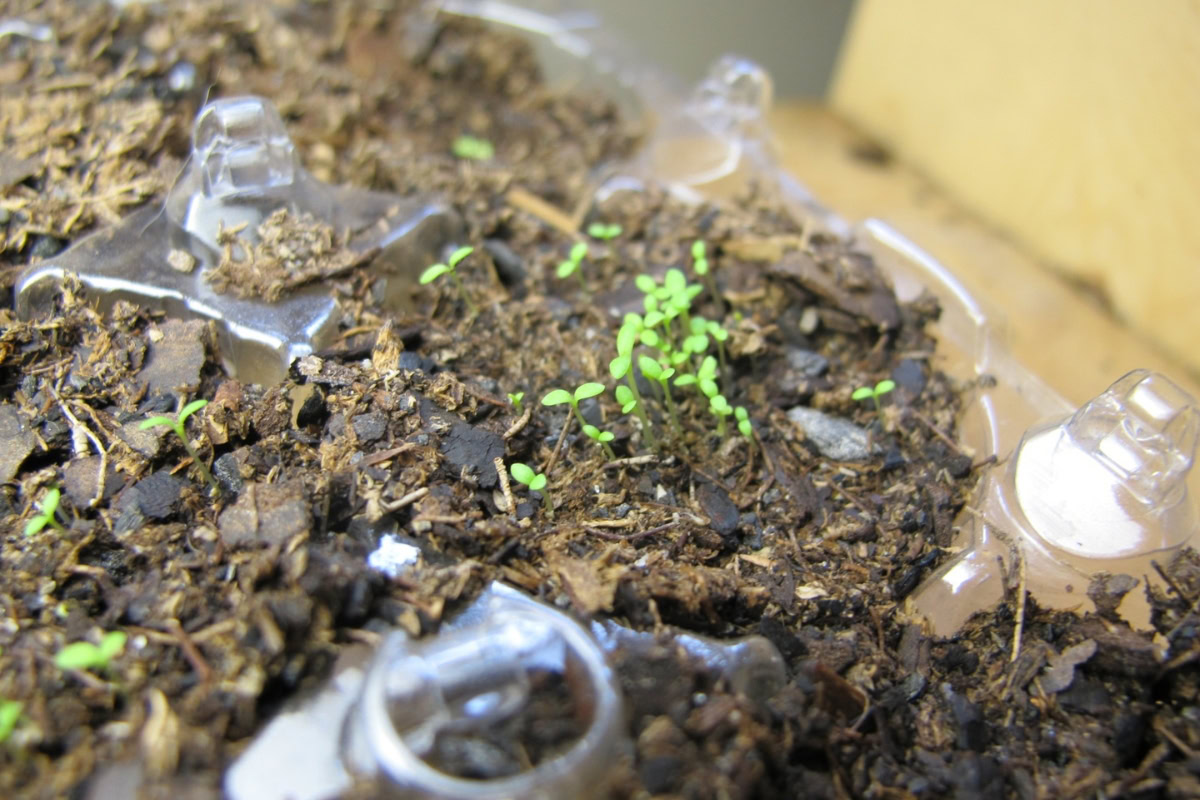
Give seeds enough time before replanting
It’s tempting to replant when nothing seems to be happening above the soil.
However, different seeds germinate at different speeds, even under ideal conditions. Some sprout quickly, while others naturally take longer.
If seeds have warmth, moisture, and proper planting depth, waiting a little longer often prevents unnecessary replanting. Many seeds are doing exactly what they should—just out of sight.
Understanding normal germination timelines saves seeds, saves money, and reduces frustration.
If you’re unsure whether seeds are failing or just taking their time, this guide on common seed starting problems and how to fix them walks through the most frequent issues gardeners run into and how to troubleshoot them before starting over.
Seed starting always comes with a bit of waiting and uncertainty, and that’s normal. If you’ve ever wondered whether your seeds would sprout or worried that you did something wrong, you’re not alone.
Small adjustments to warmth, moisture, and preparation can make that waiting shorter and far less stressful. With a little patience and the right setup, those first green sprouts will show up—and each one is a reminder that you’re on the right track.