Self-sufficiency looks different for everyone. For some, it’s growing more of their own food. For others, it’s learning practical skills, spending less at the store, or simply feeling more prepared for everyday challenges.
You don’t have to homestead, go off-grid, or change your entire life to become more self-sufficient. Small, intentional changes add up over time, and even one new skill can make daily life feel more stable and less stressful.
This site contains affiliate links. If you make a purchase using one of these links, I may earn a commission. Please see my disclosure page for more information about cookies collected and our privacy policy.
Becoming more self-sufficient is really about reducing dependence where you can and increasing confidence in what you already know how to do. It’s about having options when things don’t go as planned and relying less on convenience and last-minute solutions.
The list below includes 50 practical ways to become more self-sufficient this year. You don’t need to tackle them all. Choose a few that fit your season of life, build those skills slowly, and come back to this list whenever you’re ready to take the next step.
Food & Growing Skills
Grow something, anything. Even one herb or tomato plant builds confidence and skills. Everyone starts somewhere. So grab a pot, some soil, and a plant at your local garden center and grow!
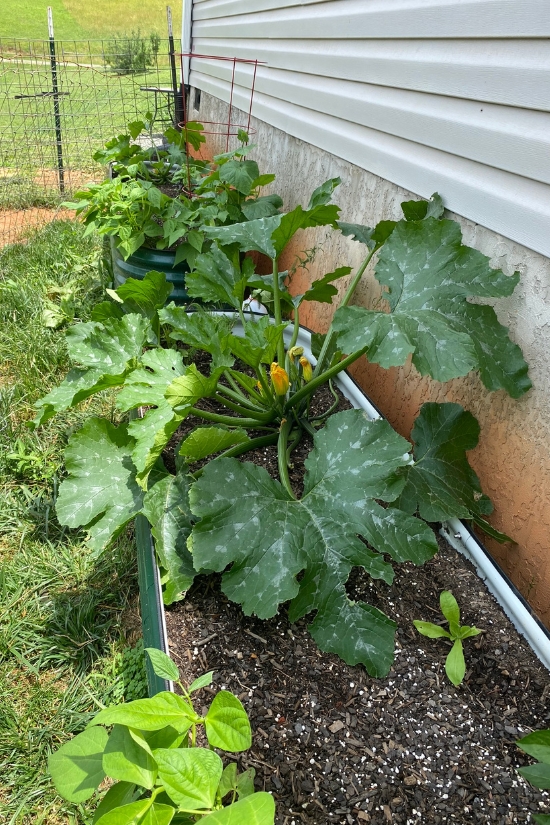
Start a small vegetable garden. Raised beds, containers, or in-ground all count. It doesn’t have to be much and it doesn’t have to be big. Just a couple plants to feed your family in the summer and go from there.
Learn to grow one staple crop. Focus on potatoes, beans, squash, or greens. These are calorie crops that can actually feed you and keep you full and are worth learning to grow yourself.
Grow food vertically. Use trellises, fences, or cages to maximize space. Growing vertically can extend your growing space exponentially.
Practice succession planting. Replant beds instead of letting them sit empty. Succession planting if one of those more advanced gardening skills that can really up your garden production and reduce waste.
Learn basic seed starting. Starting seeds saves money and expands variety. Start with one plant- whatever you grown the most of, or something easy like beans or zucchini.
Save seeds from one plant. Even saving one type builds long-term independence. To be truly self sufficient, you can’t rely on seed catalogs.Start with easy seeds like okra or lettuce.
Learn what grows well in your climate. Work with your region instead of fighting it. Depending where you live you may not be able grow EVERYTHING you want. It’s best to stop fighting mother nature and work with her instead.
Grow perennials if possible. Food that comes back every year reduces effort. Things like asparagus, rhubarb, strawberries, and berry or tree fruits will maximize your output without doubling your workload.
Compost kitchen scraps. Turn waste into garden fertility. Stop relying on store bought compost and soil amendments and make your own!
Extend your growing season. Work towards producing food all year long through extenders like row covers, cold frames, or a greenhouse.
Food Preservation & Storage
Food preservation is the next step to self sufficiency after learning to grow your own food.
It allows you, not only to feed your family during the growing season, but all year round. These skills will stay with you for life and give you piece of mind.
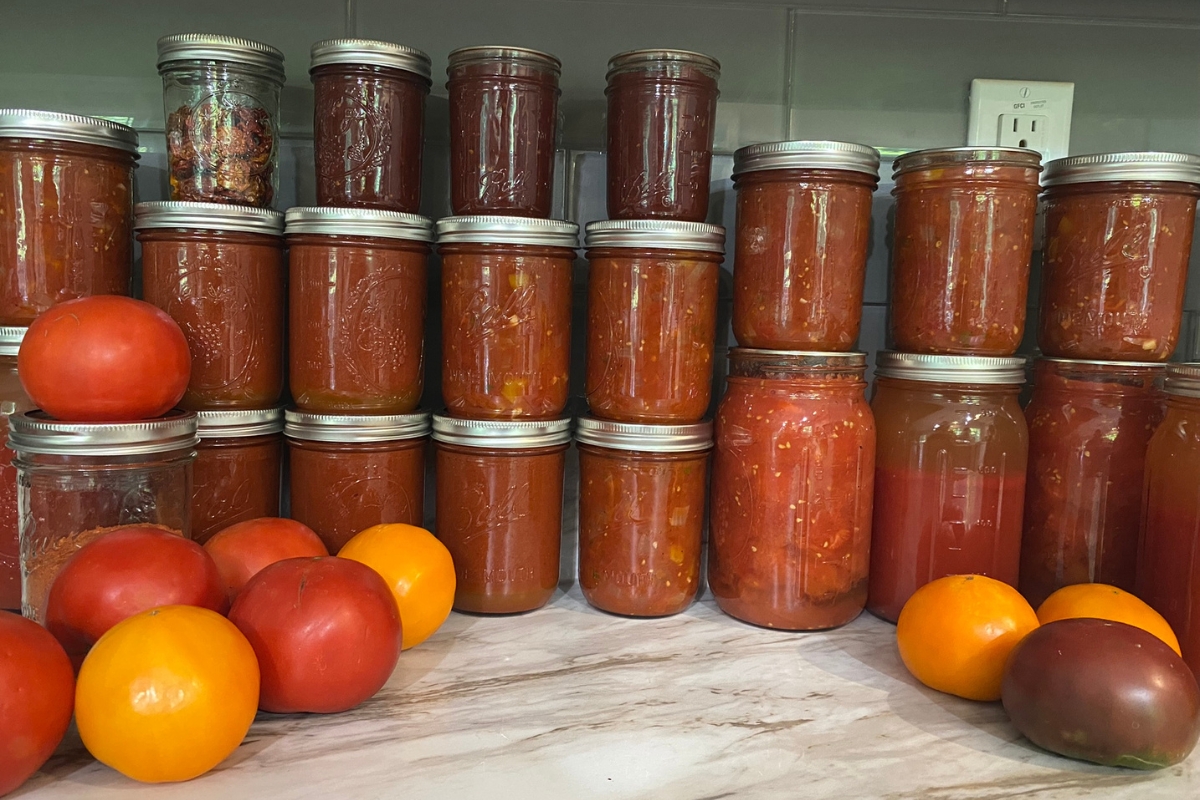
We had a storm in my area in 2024 that took out most of the grid. Power was out, phones were down, the water system was destroyed. Roads in and out of the area were broken or blocked, so the supply chain was iffy at best. No grocery stores. No gas. No propane. Having a shelf full of dehydrated and canned foods allowed us to relax and not worry about whether we had enough food to last our family until the systems were back online.
Here are just some of the skills you can learn:
Learn one preservation method. Canning, freezing, drying, or fermenting.
Freeze surplus produce. This is often the easiest first step.
Learn water bath canning basics. Start with high-acid foods.
Practice dehydrating food. Great for herbs, fruits, and snacks.
Store food properly. Learn shelf life and best storage conditions.
Create a small pantry. Build a buffer of foods you actually eat.
Rotate pantry items. Use what you store and store what you use.
Reduce food waste. Plan meals around what you already have.
Learn to preserve seasonal abundance. Buy or grow extra when food is cheap.
Track what you actually use. This prevents overstocking the wrong things.
Livestock & Raising Animals
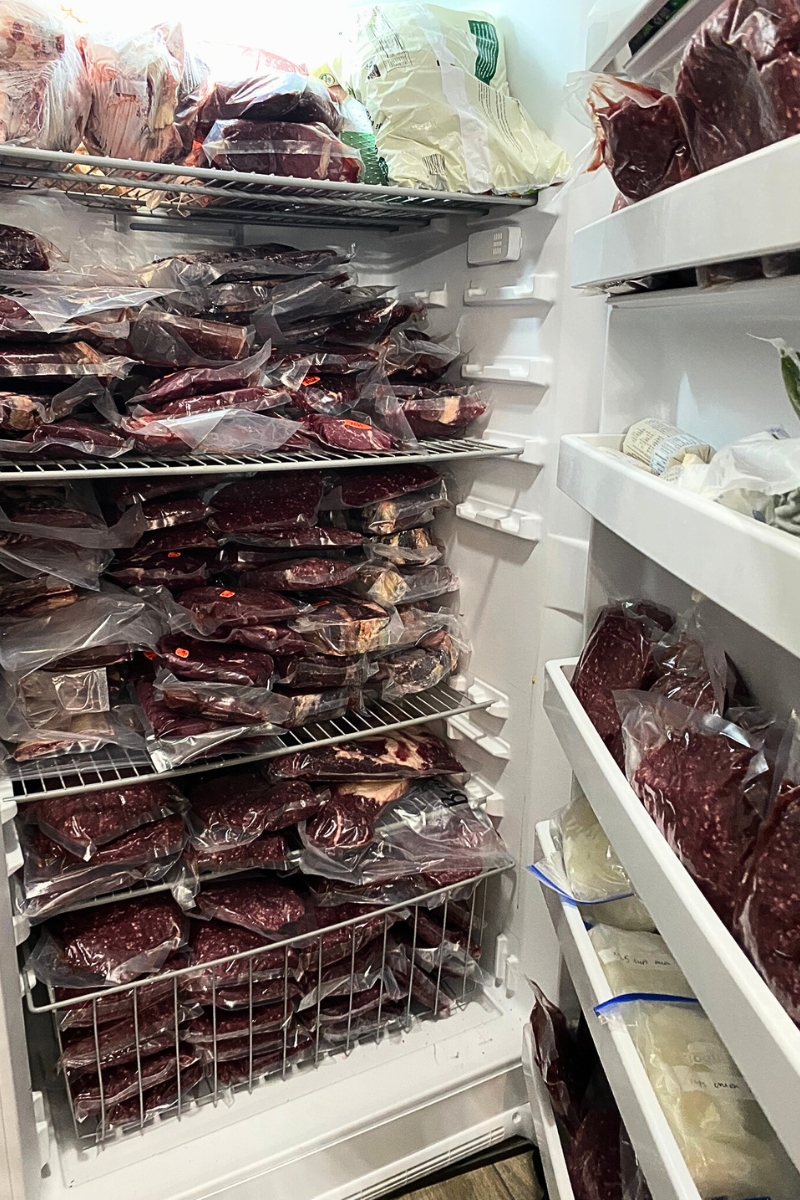
Animals can help fill out your freezer and pantry as well as help you grow better gardens.
Start with one type of livestock. Chickens are often the most approachable place to begin, especially for eggs.
Raise animals that fit your space. Not everyone has room for pigs or a cow, and that’s okay. Self-sufficiency grows faster when livestock matches your land and lifestyle.
Learn the basics of livestock care. Even a small flock can provide consistent food and build confidence in animal husbandry.
Use livestock to support your garden. Manure, pest control, and composting all connect animals back into your food system.
Understand feed and water needs. Reliable access to both is essential before bringing animals home.
Learn humane processing options. This may mean home processing or finding a trusted local processor.
Learn simple health checks. Knowing what “normal” looks like helps you spot problems early. This helps you become your own veterinarian and reduce dependence.
Learn how to raise bees. This gives you pollinators for your garden and honey for your pantry!
Learn how to use animals to reduce your workload. Chickens, goats, sheep, cows– all have a part to play on a farm. They can help reduce waste, weeds, mowing needs, etc.
Search out other options. If you can’t raise your own livestock for whatever reason, look for community resources and farms to support where you can purchase a whole/half cow or pig, local eggs, etc.

Cooking & Kitchen Independence
Self sufficiency isn’t just growing and canning, it extends even further. Sure you can grow tomatoes, but can you turn them into sauce, ketchup, or BBQ sauce? Do you know how to turn your bare ingredients into real meals that your family will eat?
Learn the following self-sufficiency skills:
Cook meals from scratch more often. Even one extra meal a week helps. Push yourself to eventually cook everything from scratch.
Learn to bake basic bread. This is one of the basic from-scratch items everyone should know how to make. Once you have it mastered, move on to other bread products or even sourdough.
Make homemade versions of convenience foods. Soups, sauces, or snacks. All those condiments you buy? Then can be made at home.
Learn to cook with what you have. Reduce reliance on last-minute store trips. Use what you have and meal plan based on your pantry.
Practice batch cooking. Saves time, energy, and money.
Learn one new cooking skill. Knife skills, roasting, or slow cooking.
Reduce packaged food dependency. Even partially makes a difference.
Plan meals intentionally. Fewer impulse purchases, less stress.
Learn food substitutions. So missing ingredients don’t stop you.
Use leftovers creatively. Stretch meals further.
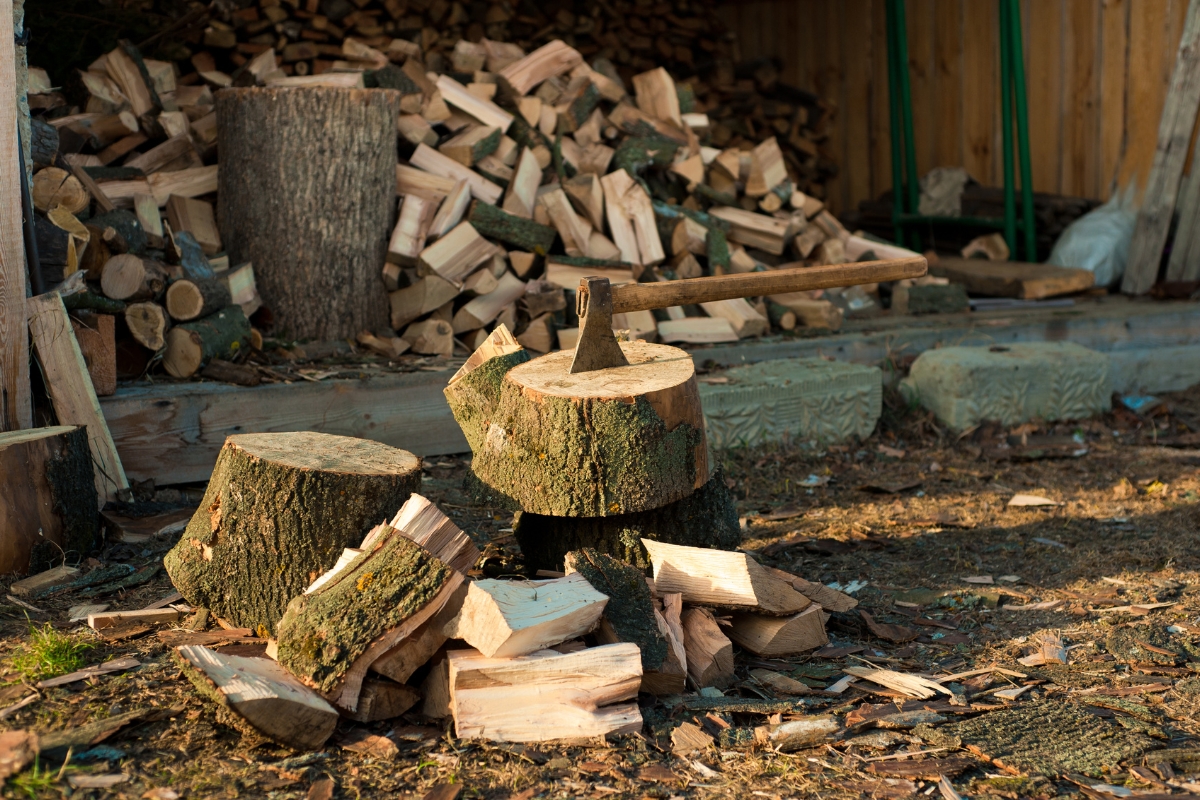
Household & Practical Skills
These skills are so important to self sufficiency, but they are ones that people don’t always think about. If the world as you knew it disappeared how would you: get a haircut? Fix your car? Get new clothes?
Make it a goal to learn a few new skills each year, such as:
Learn basic home maintenance. Simple fixes save money and stress. This includes things like broken outlets, leaking pipes, or even replacing a ceiling fan.
Do minor repairs yourself. Tighten, patch, or replace small items. Instead of buying new or sending things out to a repair shop, try it yourself first.
Sew a basic repair. Fix buttons, seams, or hems. Lean to patch holes in your shirts, sweaters, or even your kids’ stuffed animals.
Make simple cleaners. Reduce reliance on specialty products. Something as simple as vinegar can be a whole house cleaner.
Line-dry clothes when possible. Saves energy and extends clothing life. Sure, it may seem like a lot of work, but what would you do if your dryer was out or the power was out for an extended period of time?
Organize your home intentionally. Less stuff means fewer emergencies. Work on minimizing your belongings.
Keep basic tools on hand. You don’t need many to start. Just a few basic tools like a socket set, some screwdrivers, and maybe a saw and ax.
Learn to troubleshoot problems. Research before replacing. Google how to fix your dryer, your washing machine, and maybe even the brakes on your car.
Reduce disposable items. Reusables build long-term savings. Get rid of the aluminum foil, plastic bags, and paper towels.
Practice preventative maintenance. Small actions avoid big issues.
Financial & Lifestyle Independence
In order to be truly self sufficient you have to be intentional about it. Things won’t happen naturally without thought. Prepare all aspects of your life, from your money and spending to learning to live with what you have.
Track spending. Awareness is the first step to change.
Reduce one recurring expense. Streaming, subscriptions, or convenience costs.
Build an emergency food buffer. Even a few extra meals matter. Works towards a freezer of meals or a pantry of dehydrated meals/soups.
Learn to fix instead of replace. Extends the life of what you own and reduces your dependence on stores.
Buy secondhand when possible. Saves money and resources.
Develop one income-saving skill. Gardening, cooking, or repairing. The more you can do to reduce your monetary needs the better.
Plan for seasonal needs. Work with the seasons, not against them. Grow in the summer. Prep in the winter.
Reduce reliance on daily store trips. Fewer trips mean more resilience.
Learn to live with less. Self-sufficiency often starts with simplicity.
Set realistic goals. Progress matters more than perfection.
Becoming more self-sufficient is a journey, not a finish line. You don’t need to do everything on this list. Pick a few areas that make sense for your life right now, build those skills, and add more over time. Every step you take increases confidence, resilience, and freedom.