Composting is one of the simplest ways to reduce household waste and improve your garden soil, but it only works well when the right materials go in the pile. Adding the wrong items can slow decomposition, attract pests, spread disease, or contaminate the finished compost.
Many composting problems don’t come from neglect — they come from good intentions. Knowing what not to compost helps you avoid frustration and keeps your compost healthy, balanced, and safe to use in food gardens.
This site contains affiliate links. If you make a purchase using one of these links, I may earn a commission. Please see my disclosure page for more information about cookies collected and our privacy policy.
Below are 12 things you should never add to a home compost pile, along with why they cause problems.
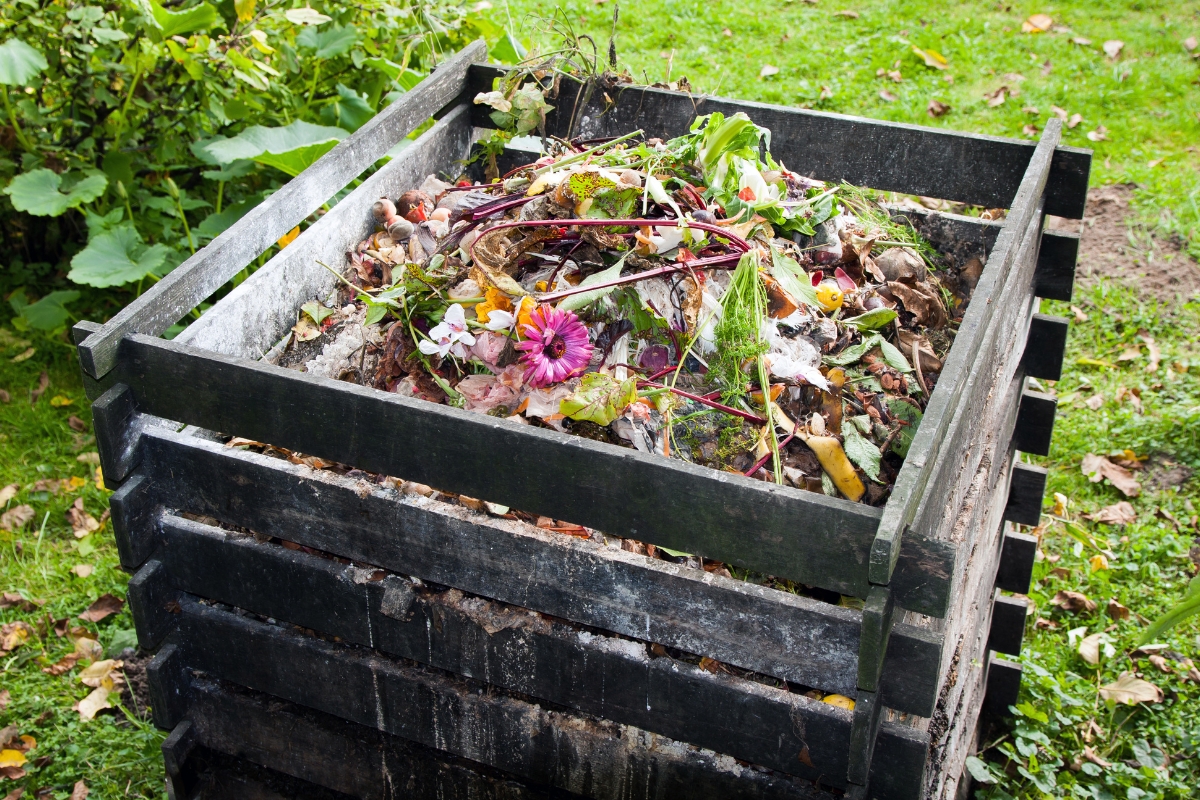
Meat scraps
Meat scraps decompose very slowly in backyard compost systems and begin to smell long before they break down.
That smell attracts rodents, raccoons, and other animals that will dig through your pile, scatter material, and create ongoing pest issues.
Meat can also create anaerobic conditions inside the pile, which slows decomposition and leads to unpleasant odors.

Bones
Bones take years to break down and often remain intact even after composting is finished.
Like meat, bones attract animals and encourage digging, which disrupts the composting process and spreads waste around the yard.
They also offer no real benefit to finished compost in a home system.
Grease, fat, and cooking oil
Grease, fats, and oils coat compost materials and prevent air from moving through the pile.
Without airflow, compost turns slimy and smelly instead of breaking down into healthy soil.
Oils also attract pests and slow decomposition, making them a common cause of failed compost piles.
Dairy products
Dairy items such as milk, cheese, yogurt, and butter spoil quickly and produce strong odors as they decompose.
These odors attract pests and encourage the growth of unwanted bacteria.
Dairy can also cause compost piles to become overly wet and anaerobic, which interferes with healthy breakdown.
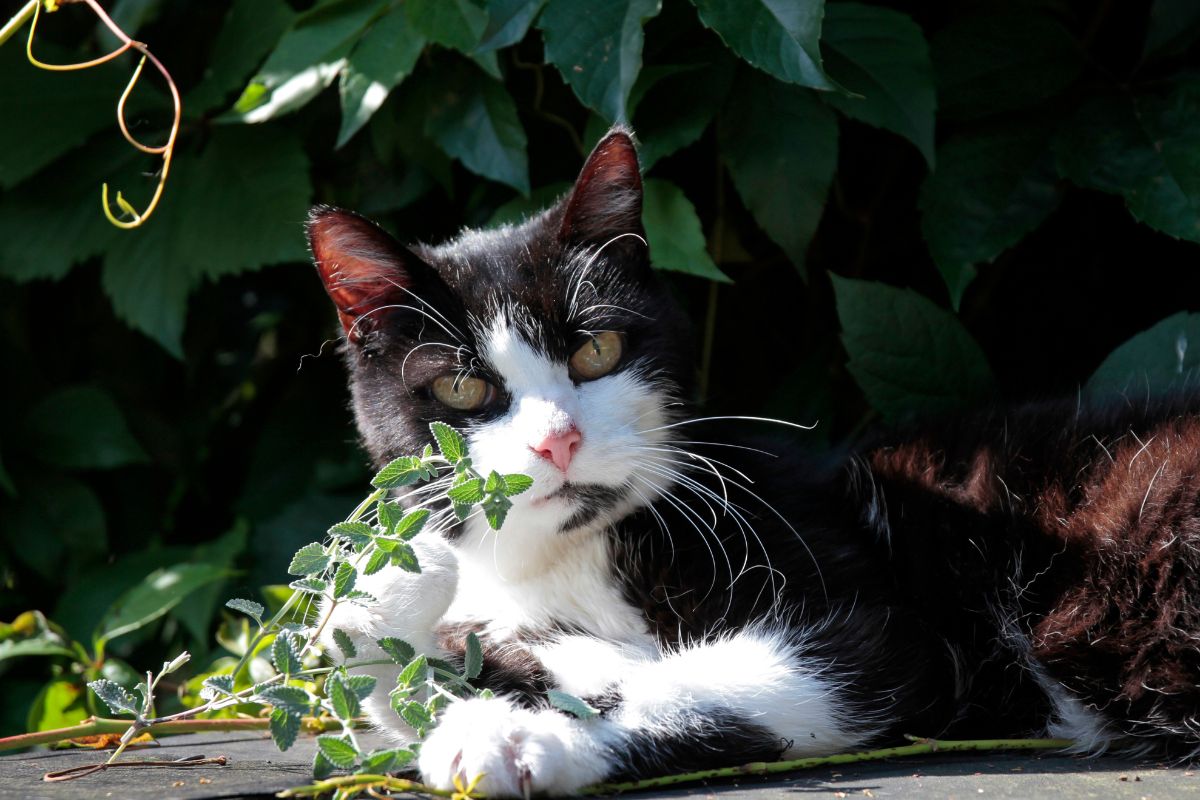
Pet waste (especially from meat-eating animals)
Dog and cat waste can contain harmful pathogens, bacteria, and parasites.
These pathogens do not reliably break down in home compost systems and can contaminate compost used on edible crops.
For safety reasons, pet waste from meat-eating animals should never be composted for garden use.
Diseased plants from the garden
Plants affected by disease often carry pathogens that survive typical backyard compost temperatures.
If added to compost, those pathogens can be spread back into the garden when compost is applied.
This creates a cycle where disease returns year after year instead of being eliminated.
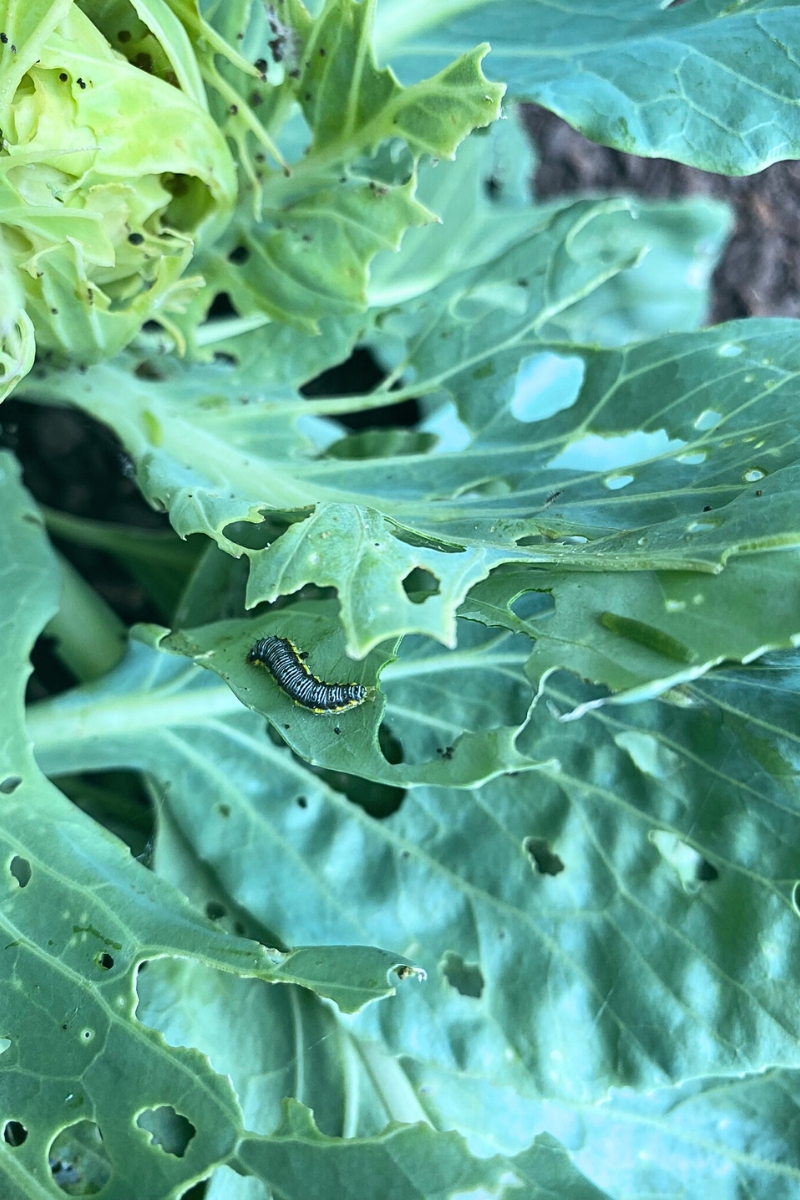
Pest-infested plants
Plants covered in insects, larvae, or eggs can allow pests to survive the composting process.
Instead of breaking down safely, these pests may re-emerge later and spread throughout your garden.
Removing infested plants entirely helps prevent ongoing pest problems.
Weeds that have gone to seed
Many weed seeds are extremely resilient and can survive home compost piles.
Adding seeded weeds often results in compost that spreads weeds instead of suppressing them.
Once weeds have gone to seed, it’s best to leave them out of compost entirely.
Chemically treated plants or grass clippings
Plants treated with herbicides or pesticides may carry chemical residues into compost.
These chemicals can harm beneficial microorganisms and affect plant growth when compost is used.
Even small amounts can cause unexpected problems, especially in vegetable gardens.
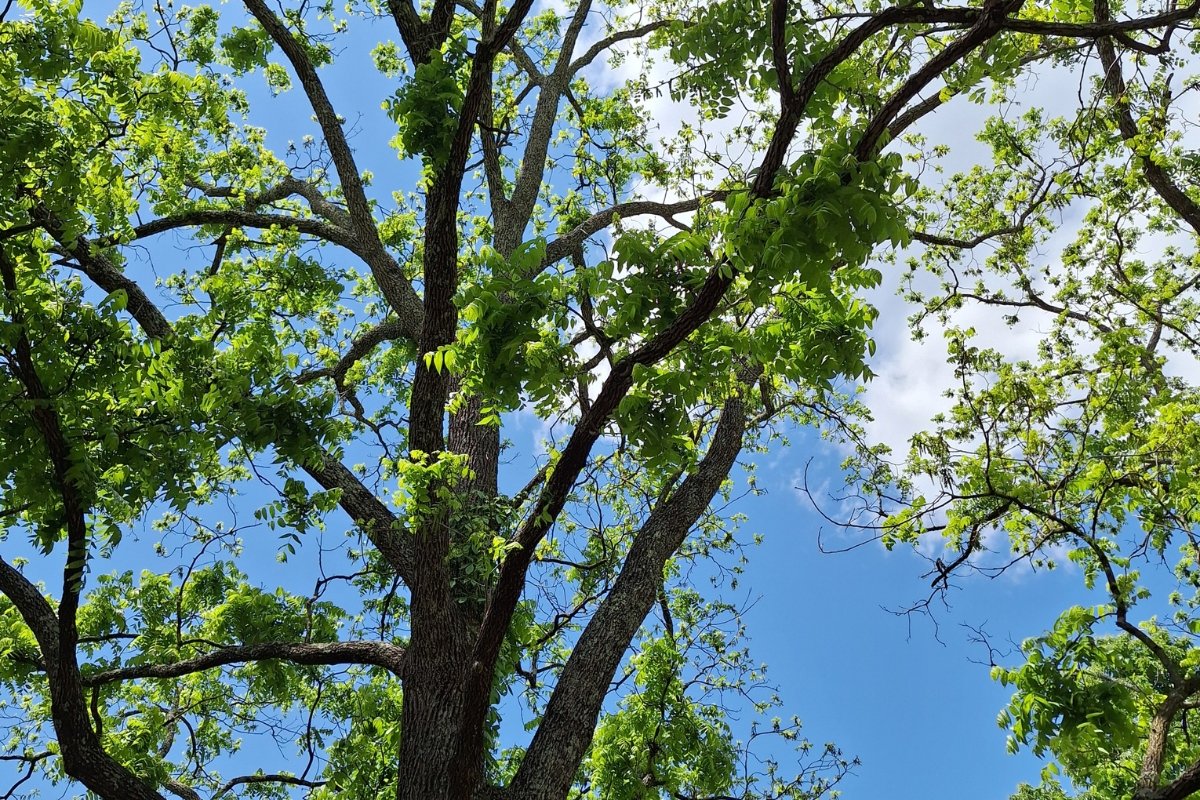
Black walnut tree debris
Black walnut trees produce a natural compound that inhibits the growth of many plants.
Leaves, twigs, and sawdust from black walnut trees can carry this compound into compost.
When used in the garden, contaminated compost may stunt or damage sensitive plants.
Treated or painted wood debris
Pressure-treated, painted, or stained wood contains chemicals that do not break down safely.
These chemicals can contaminate compost and remain in the soil long after application.
Only untreated, natural wood materials are appropriate for composting.
Glossy or colored paper and magazines
Glossy paper and magazines are often coated with chemicals and inks that do not compost well.
These materials break down poorly and can leave behind residues in finished compost.
Plain, uncoated paper is a better option when composting paper products.
Synthetic materials
Plastics, synthetic fabrics, and other man-made materials do not decompose.
Instead, they break into smaller pieces that contaminate compost and soil.
Synthetic materials should always be kept out of compost piles.
What To Do Instead of Composting These Items
What can you do with the items on this list if you can’t compost?
For plant debris- such as weeds, diseased plants, or insect ridden plants I find that burning is the best option. We have a burn pile at the end of the season to burn plant debris from that year to prevent contamination and overwintering pests and disease. You can also burn wood and paper items that you can’t compost.
You can also use livestock, such as chickens, to pre-compost many of these items. You can feed chickens meat scraps, dairy, plants, etc and then use their manure for the garden or compost heap.
I also use grass clippings for tree mulch. My grass isn’t treated, but even if it was you could use it to mulch around non-edible plants in your yard.
What You CAN Compost Instead
If you’re unsure what belongs in compost, sticking to simple, natural materials is the safest approach.
- Fruit and vegetable scraps
- Coffee grounds and filters
- Eggshells
- Grass clippings (untreated)
- Leaves and yard waste
- Plant trimmings from healthy plants
- Plain paper and cardboard (uncoated)
- Straw and hay
- Wood chips from untreated wood
A successful compost pile doesn’t need everything — it just needs the right things. Keeping problem materials out of your compost protects the pile, prevents pests and odors, and ensures the finished compost is safe and beneficial for your garden.