Garden watering mistakes are one of the biggest reasons plants struggle, especially for beginners. The tricky part is that watering feels simple, so it’s easy to assume problems are caused by something else.
In reality, many common garden issues trace back to when, how, or how often plants are watered. Learning to spot and avoid these watering mistakes can save time, reduce stress, and make your garden far more resilient.
This site contains affiliate links. If you make a purchase using one of these links, I may earn a commission. Please see my disclosure page for more information about cookies collected and our privacy policy.
Watering seems like it should be the easiest part of gardening, but it’s also one of the most common places beginners struggle. Too much water, not enough water, watering at the wrong time — small missteps can leave plants stressed even when everything else is done right.
The good news is that most watering problems are easy to fix once you know what to watch for. Below are 12 of the most common garden watering mistakes beginners make — and how to avoid them so your plants can grow stronger and healthier.

12 Common Garden Watering Mistakes to Avoid
Watering doesn’t seem like something that should be hard, but it’s the number one thing that new gardeners get wrong.
Luckily, most of the time your plants will be resilient and will bounce back quickly as you learn how to water correctly.
You can also check out How to Water Your Garden Correctly, for the right way to do things.

Watering on a rigid schedule
One of the most common watering mistakes is watering on a strict schedule instead of responding to what the garden actually needs. Plants don’t use water at the same rate every day, especially when weather changes.
Rather than watering by the calendar, check the soil first. If it’s still moist a couple inches below the surface, watering can usually wait.
As a gardener, you should always be aware of the conditions in your yard. Pay attention to the last time it rained, how hot it’s been, how much shade your garden gets, etc. Water based on this information.
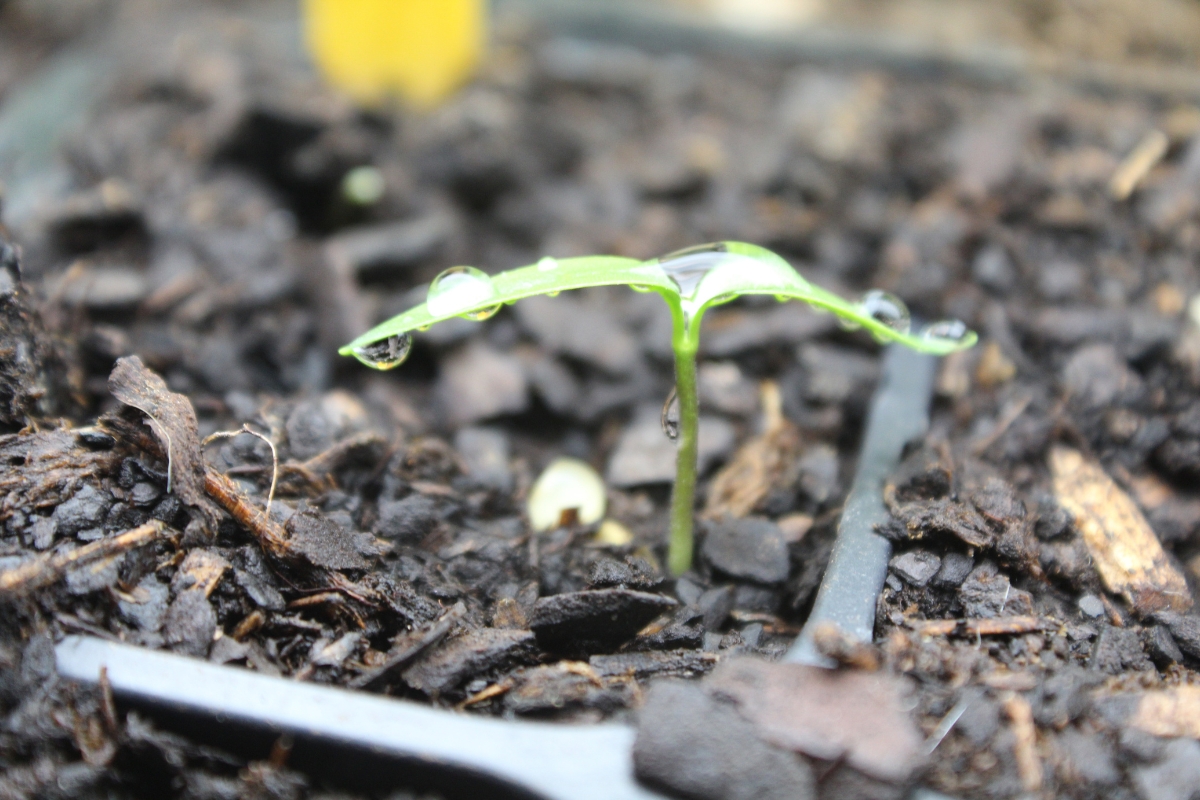
Overwatering seedlings
Seedlings are especially vulnerable to overwatering. Their roots are small, and saturated soil can slow growth or cause problems with disease before plants ever get established.
Soil should be moist, not soaked.
Light, careful watering helps seedlings develop strong roots without sitting in overly wet conditions.
Watering during the hottest part of the day
Watering when the sun is at its strongest leads to more evaporation and less water reaching plant roots. This often means watering more often than necessary.
Early morning or later in the afternoon is usually a better time, allowing water to soak in before heat pulls it back out of the soil.
It’s also a waste of water! Which is costly and has a negative environmental impact.
Only watering the soil surface
Quick surface watering may look helpful, but it doesn’t encourage roots to grow deep. Shallow watering leads to shallow roots, which makes plants more vulnerable during dry spells.
Slower, deeper watering allows moisture to reach where roots actually grow and helps plants become more resilient.
Not adjusting watering for weather changes
Plants don’t need the same amount of water during a cool, cloudy week as they do during hot, dry weather. Wind, humidity, and temperature all affect how quickly soil dries out.
Paying attention to weather conditions helps prevent both overwatering and underwatering.
Basically, this means, don’t put watering on your calendar and do it regardless of external factors. Water when needed, not according to a schedule.
Ignoring soil type
Soil plays a big role in how water behaves. Sandy soil drains quickly and may need more frequent watering, while heavier soils hold moisture longer.
Learning how your soil holds water makes it easier to water efficiently and avoid problems caused by staying too wet or drying out too fast.
Amending your soil to help it retain moisture (while not being soggy) is also a great option to make your watering more efficient.
Watering directly against plant stems
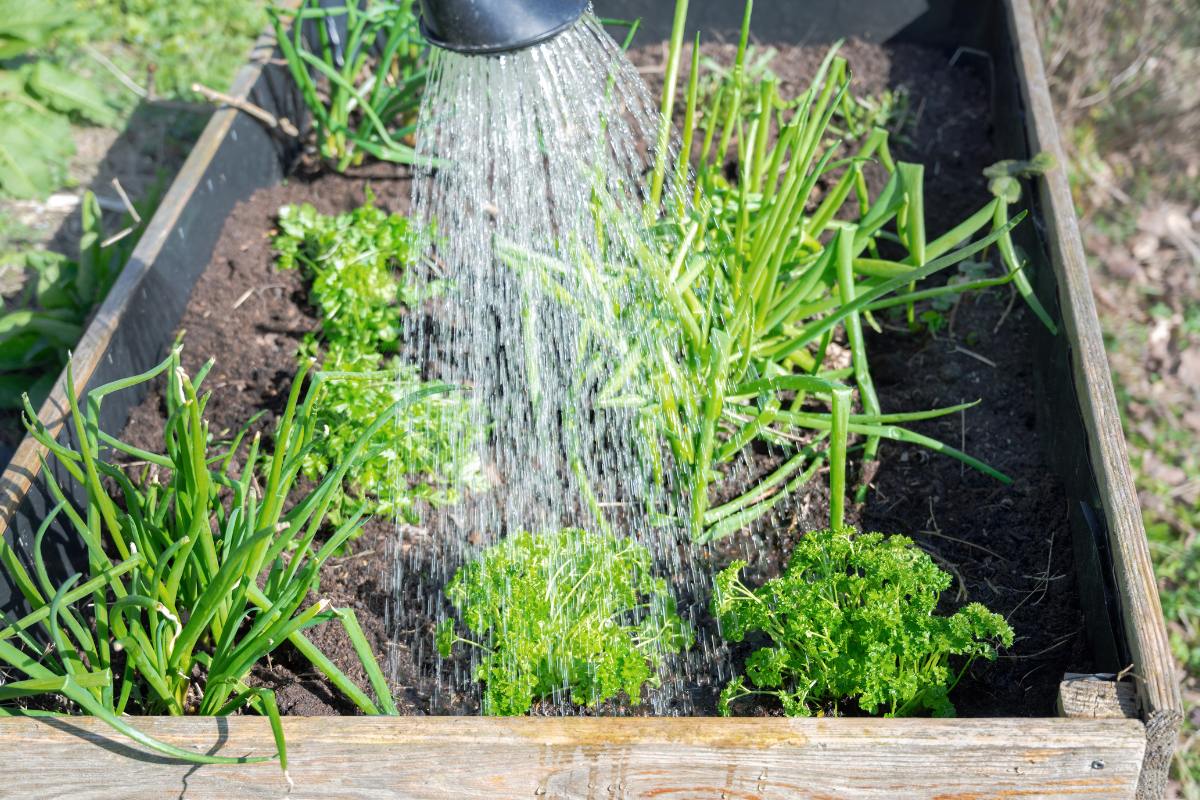
Aiming water right at plant stems can keep them wet for long periods, which can encourage disease. Roots extend outward, not straight down at the stem.
Watering near the root zone, just beyond the plant’s base, helps moisture reach roots while keeping stems drier.
Forgetting to mulch around plants
Mulch helps retain moisture, regulate soil temperature, and reduce evaporation. Without it, soil dries out faster and requires more frequent watering.
Even a simple layer of organic mulch can make watering easier and more consistent.
Mulch will help you water less and water more efficiently.
Not checking containers often enough
Plants growing in containers dry out much faster than those planted in the ground. A common mistake is watering containers the same way as garden beds.
Checking containers regularly — especially during warm weather — helps prevent stress caused by drying out too quickly.
Depending on the size of your containers, you may need to water more than once per day in the hot, dry months.
This also goes for your seedlings that are waiting to go out into the garden. The small containers will dry out very fast sitting on a table or deck in the direct sun.
Using a strong stream that washes soil away
A strong blast of water can compact soil, expose roots, and cause water to run off instead of soaking in.
A gentler spray allows water to absorb slowly and keeps soil structure intact.
This is also why a drip irrigation system or hose can be your best friend. It will allow you to slowly water deeply over a longer period of time.
Forgetting to water new transplants properly
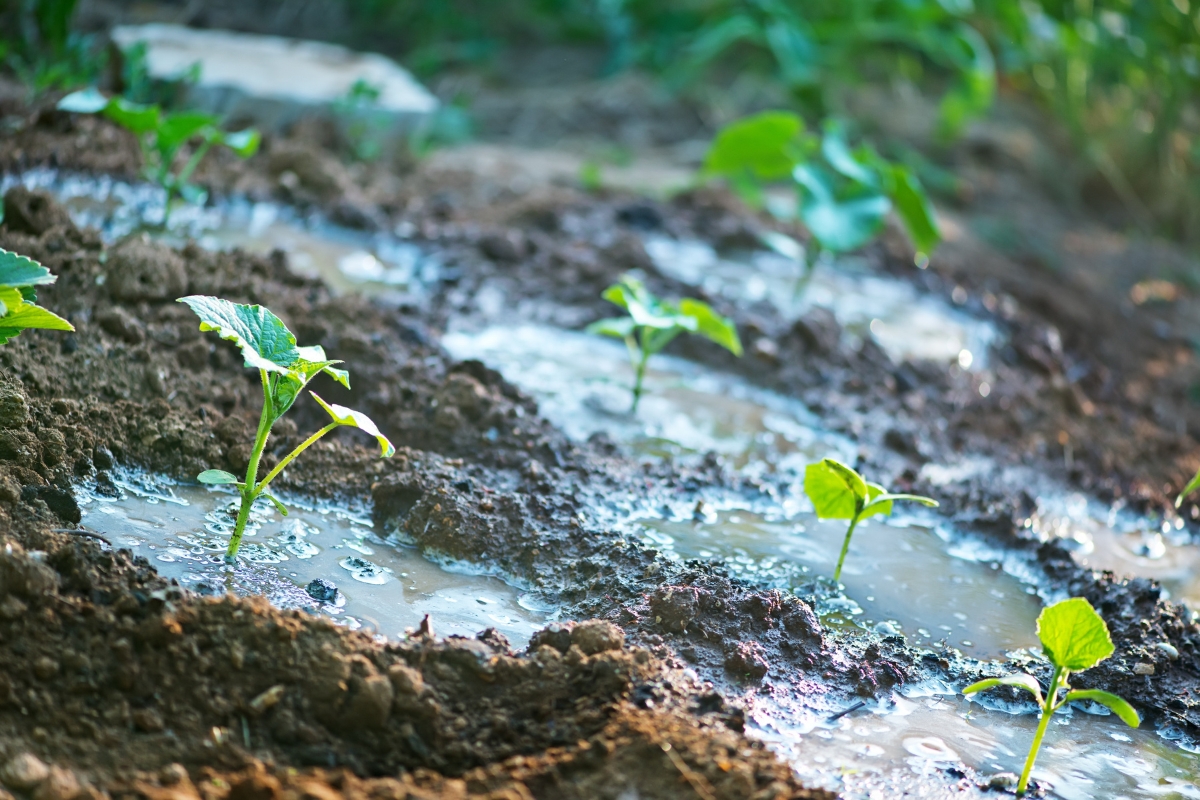
Newly planted transplants need consistent moisture while their roots establish. Skipping water during this period can cause unnecessary stress.
Actually, if you plant in the middle of a hot sunny day, your seedling transplants can even shrivel and die without enough water during those important first 48 hours.
Once plants settle in and begin growing steadily, they usually need less frequent attention.
Assuming bigger plants need water every day
Larger plants often have deeper roots, which means they can access moisture farther down in the soil. Watering shallowly every day can actually weaken their root systems.
Deep watering less often encourages roots to grow downward, helping plants handle dry periods better.
Watering doesn’t have to be stressful or complicated. Paying attention to soil, weather, and how plants respond will guide you far better than any rigid routine. With a few small adjustments, you can avoid these common watering mistakes and grow a healthier, more resilient garden.