No Results Found
The page you requested could not be found. Try refining your search, or use the navigation above to locate the post.

Companion planting is one of the easiest ways to grow a healthier, more productive garden—naturally! By pairing the right plants together, you can boost growth, reduce pests, and make the most of your garden space without relying on chemicals.
Think basil with tomatoes, marigolds near squash, or lettuce tucked under your peppers for shade. Whether you’re working with a few raised beds or a full homestead garden, companion planting is a simple strategy that can make a big difference.
Explore our guides, planting charts, and real-life examples to start planning a garden that works better—because your plants should help each other out, just like good neighbors do.
By learning the principles of companion planting you can create a beautiful garden full of crops that can are mutually beneficial to each other with more harvest and less pests.
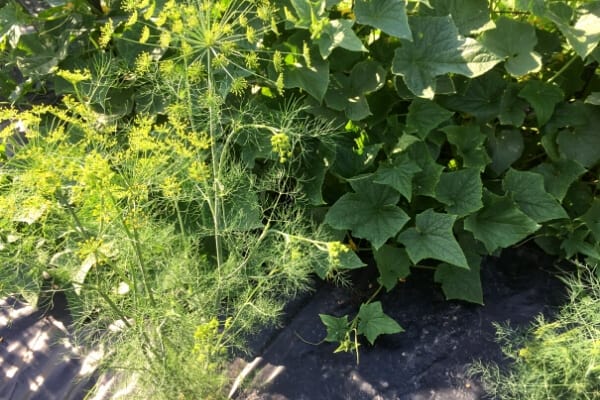
The Best & Worst Companion Plants for Cucumbers
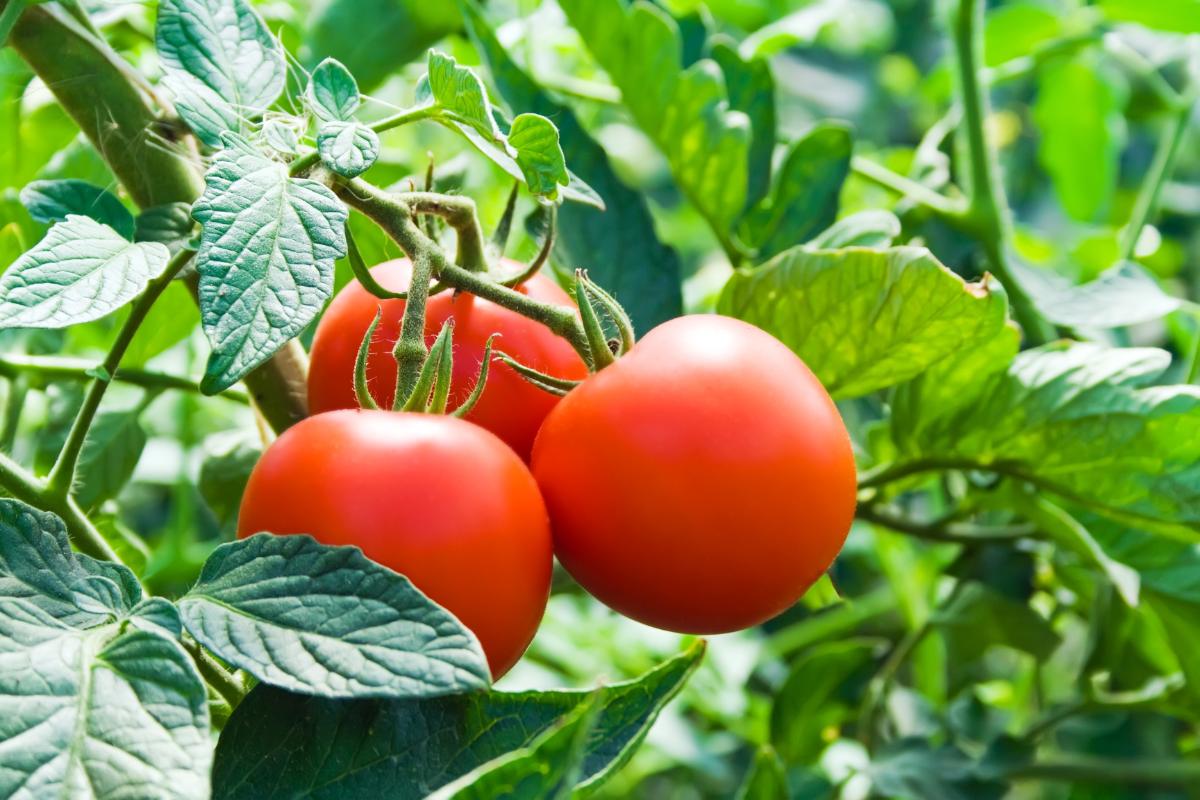
The Best & Worst Companion Plants for Tomatoes
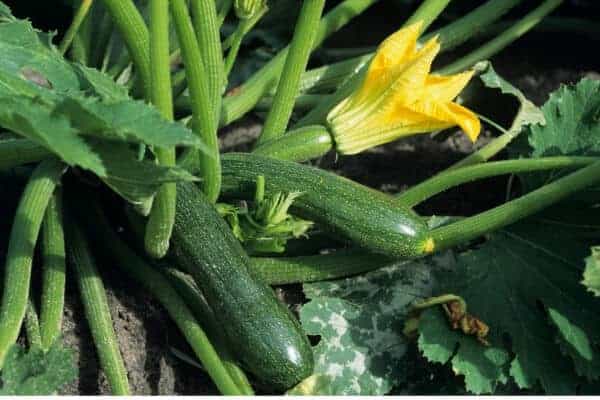
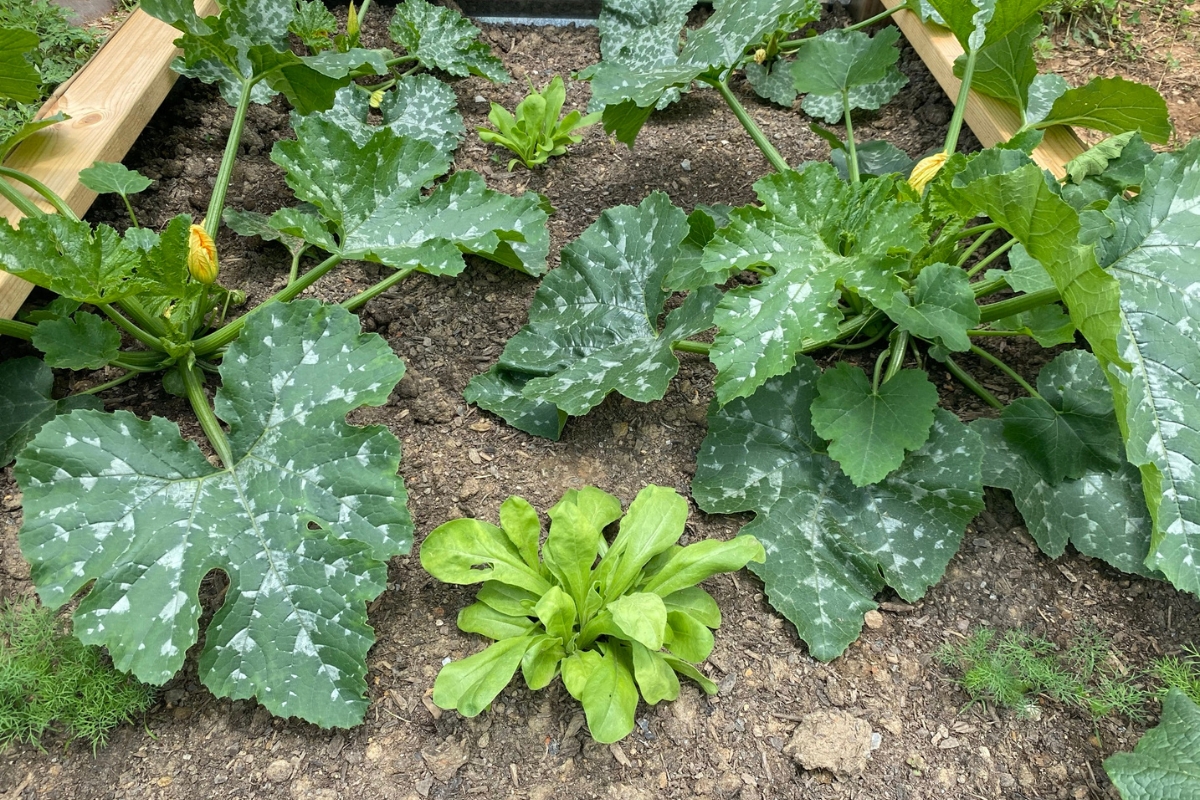
The Best & Worst Companion Plants for Squash
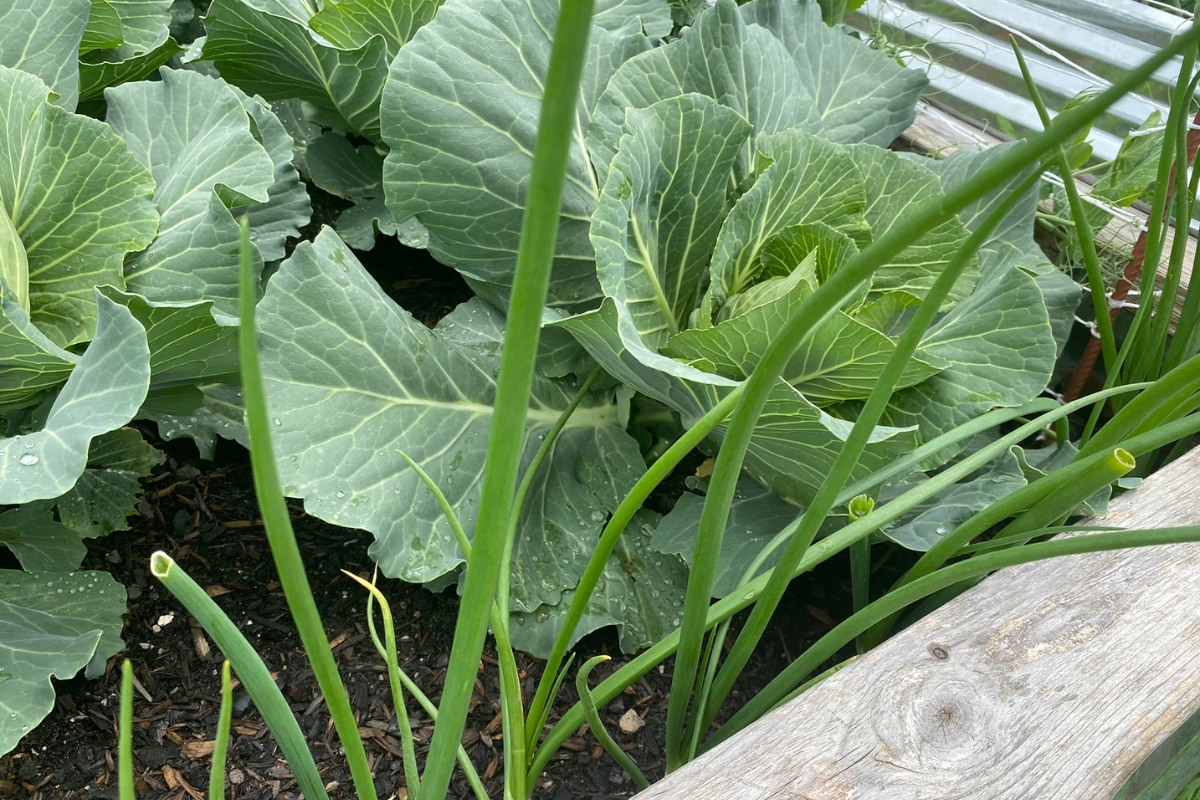
The Best & Worst Companion Plants for Cabbage
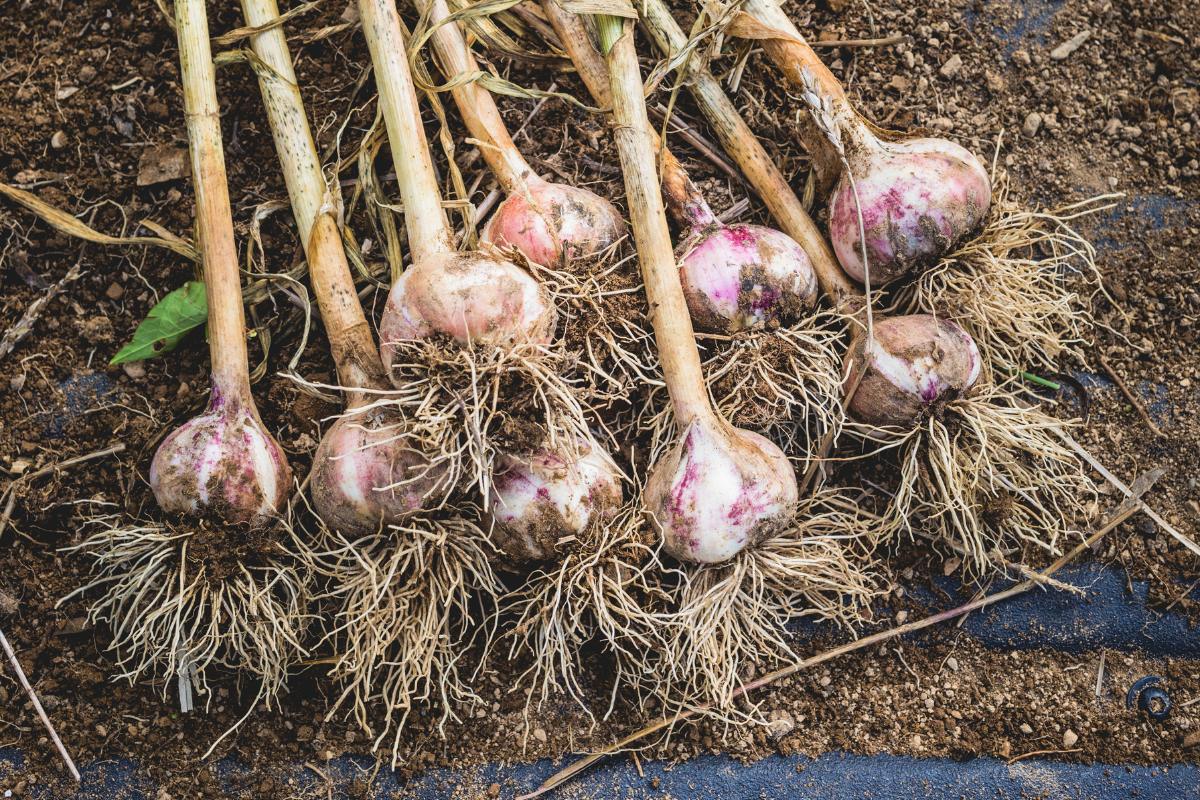
The Best & Worst Companion Plants for Garlic
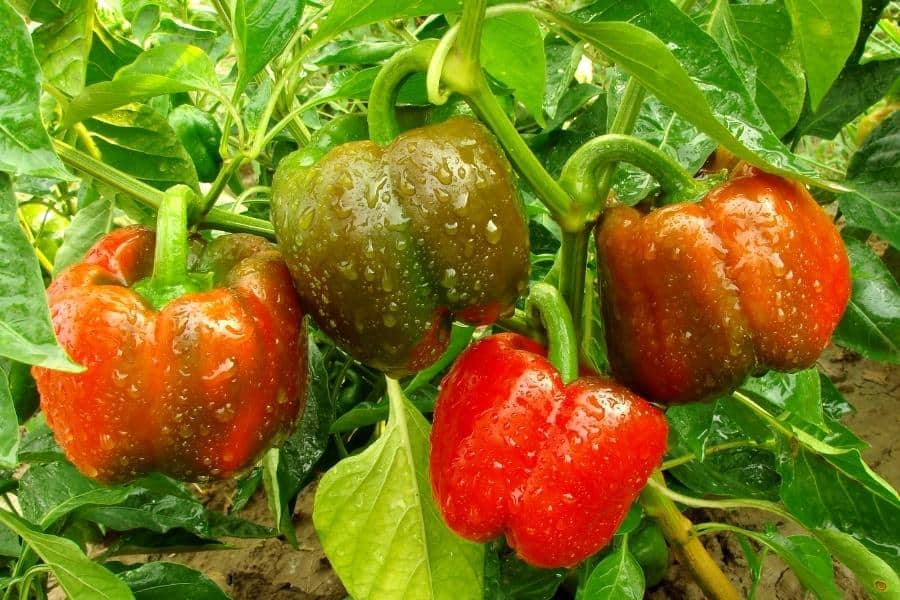
The Best & Worst Companion Plants for Peppers
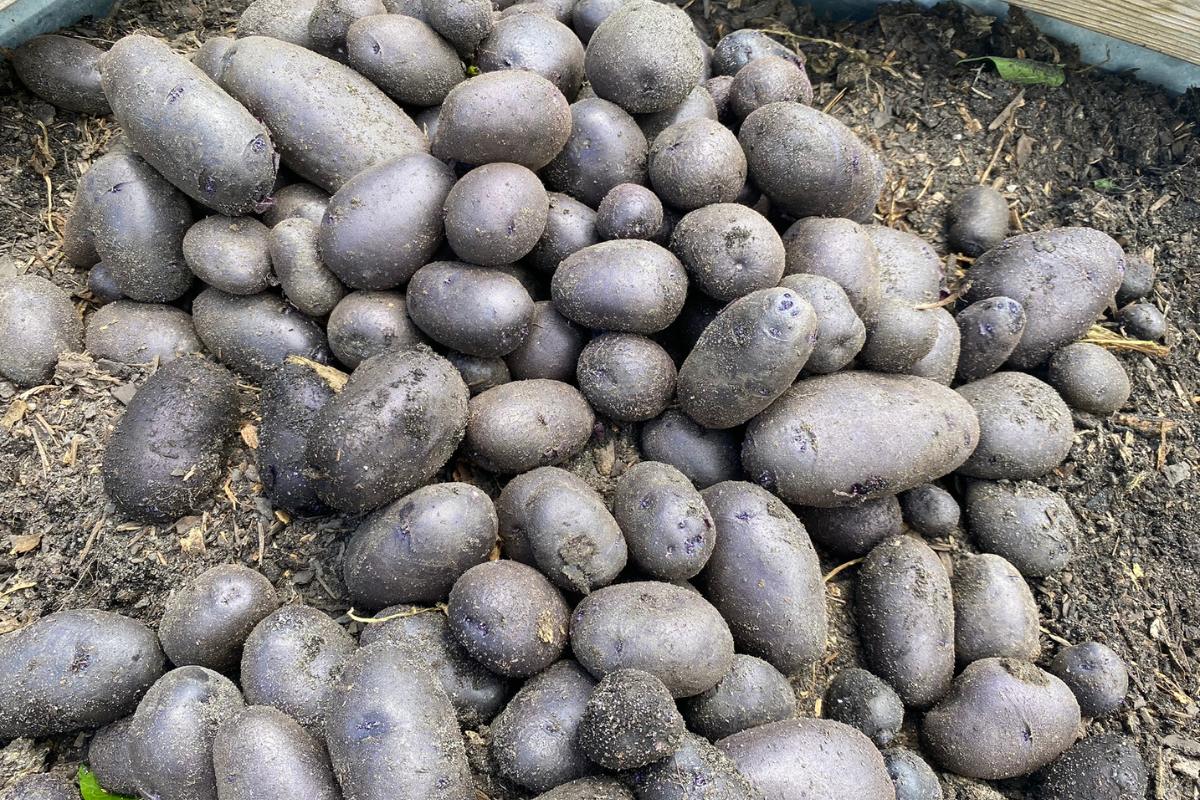
The Best & Worst Companion Plants for Potatoes
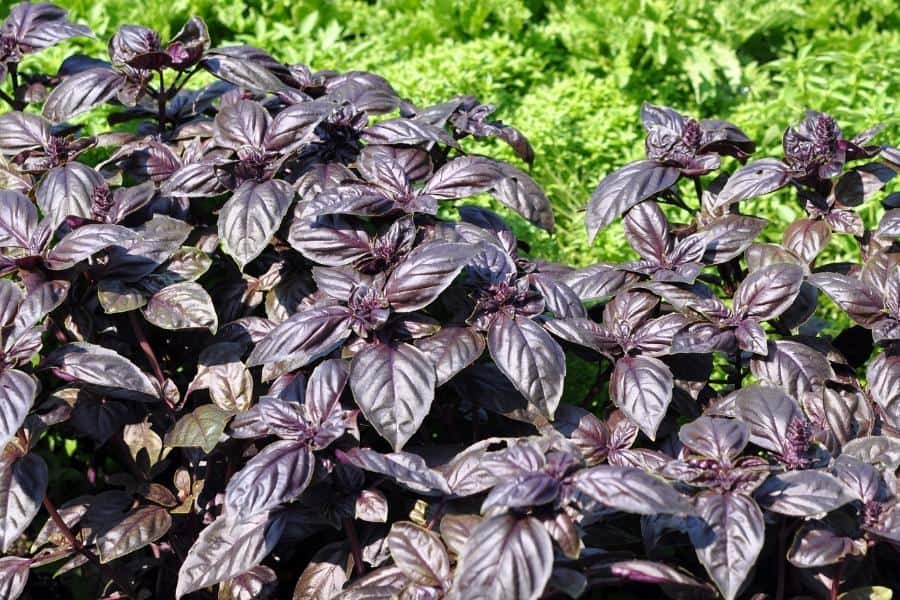
The Best & Worst Companion Plants for Basil
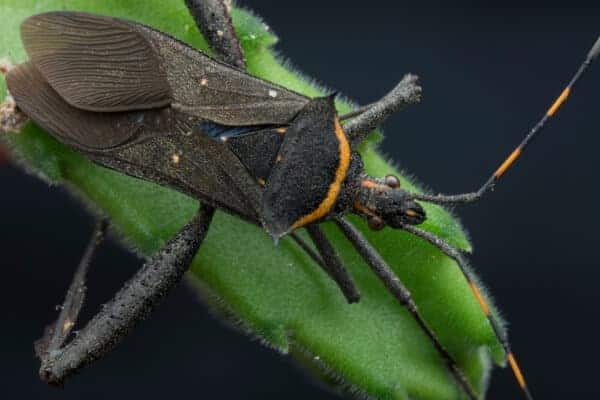
How to Use Trap Crops to Deter Pests in the Vegetable Garden
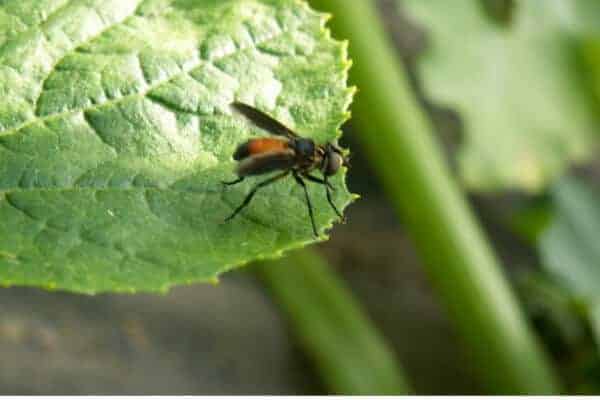
9 Beneficial Insects for Your Garden + How to Attract Them
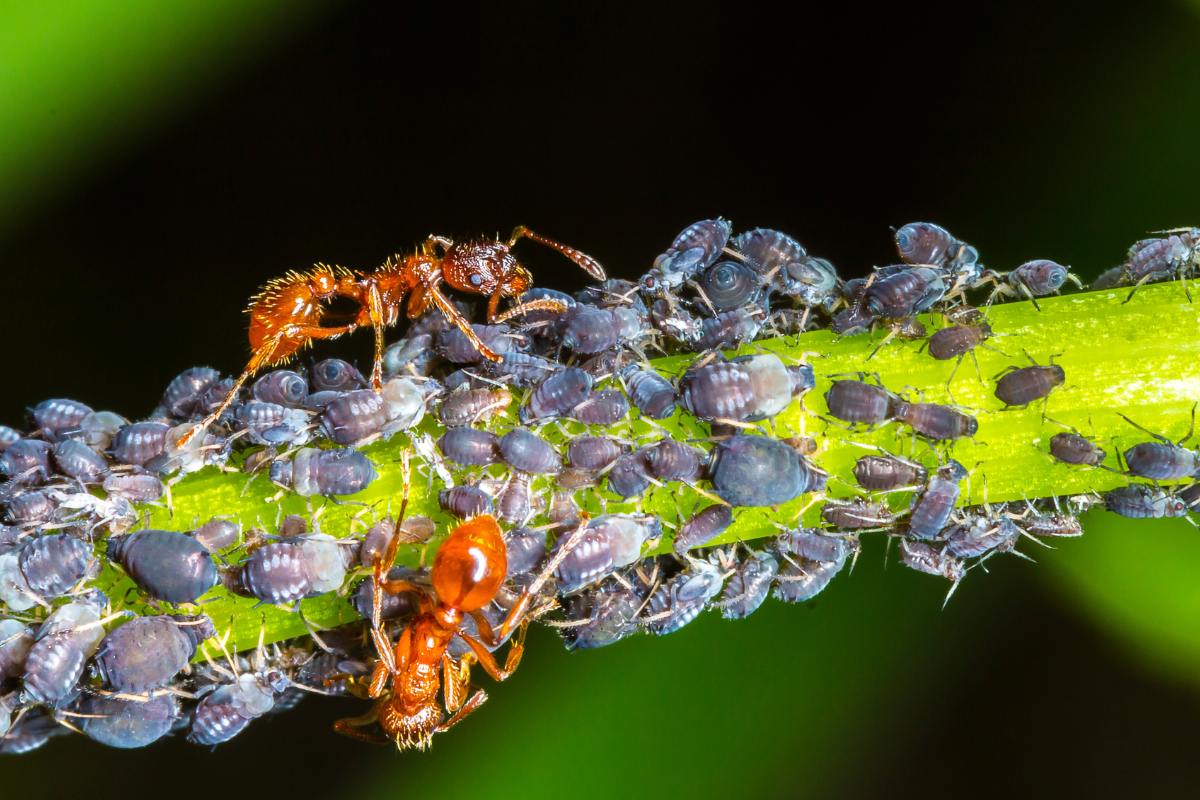
How to Control Aphids: 9 Companion Plants That Repel Aphids
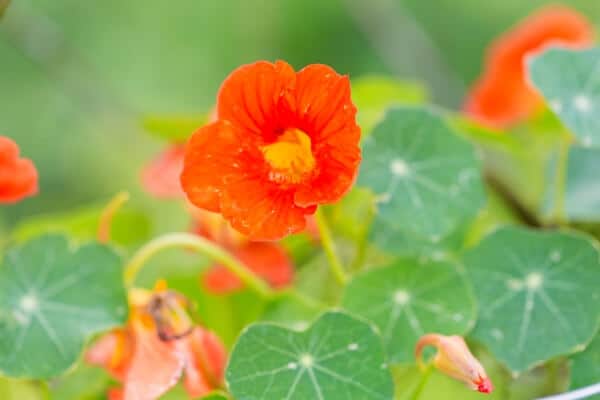
16 Ways to Use Companion Planting for Pest Control Naturally
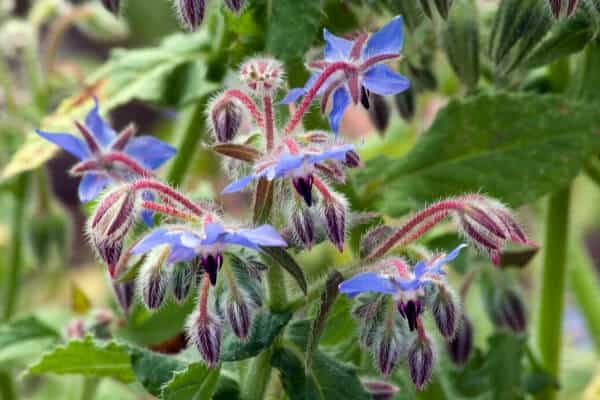
Companion Planting with Herbs in the Vegetable Garden
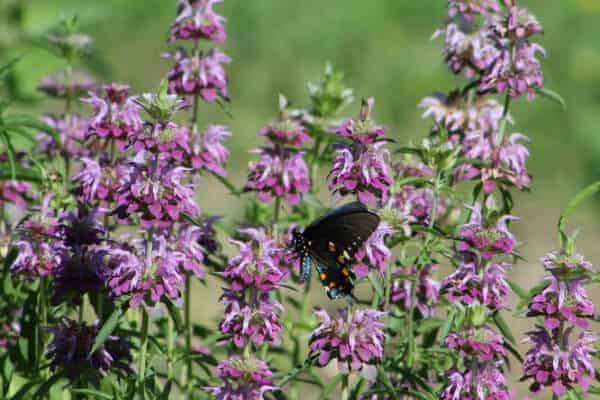
11 Best Flowers for Your Vegetable Garden
The page you requested could not be found. Try refining your search, or use the navigation above to locate the post.